Watch on YouTube
(Embed)
480
0
Genre: Education
License: Standard YouTube license
Family friendly? Yes

Shared June 15, 2023
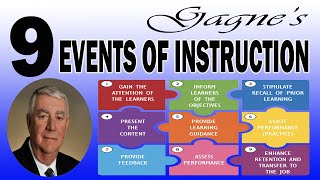
Gagne's Nine Events of Instruction, also known by various names and variations, are a set of instructional design principles that have been widely used in the field of education and training. While it is not uncommon to come across different labels for these events, Instructional Designers should not be confused by the varying terminology.
The core essence of Gagne's Nine Events of Instruction remains consistent across the different names and variations. These events provide a systematic framework for designing effective instruction that engages learners and promotes meaningful learning experiences. The events are designed to guide the instructional design process and ensure the delivery of instruction that optimizes learning outcomes.
Despite the differences in terminology, it is important for Instructional Designers to focus on the underlying principles rather than getting caught up in the specific labels. The key is to understand and apply the core concepts of each event, regardless of what they may be called. By doing so, instructional designers can leverage Gagne's Nine Events to create engaging and impactful learning experiences for their learners.
Ultimately, what matters most is the application of these events in instructional design. Whether referred to as Gagne's Nine Events of Learning, Gagne's Nine Events of Educational Design, Gagne's Nine Events of Instructional Design, Gagne's Nine Steps of Instruction, or Gagne's Nine Events of Effective Instruction, the focus should be on leveraging these principles to create effective and learner-centered instructional materials.
Instructional designers should embrace the flexibility and adaptability of Gagne's Nine Events of Instruction, understanding that the various names and variations simply represent different perspectives or contexts. By staying focused on the core principles and their practical application, instructional designers can harness the power of these events to create impactful and successful learning experiences for their learners.

18K views





33K views

36K views