Islamic Political Thought CSS/PMS
Zawiyah Institute |
4 videos |
Updated 3 months ago
📚 Islamic Political Philosophy Youtube Series – Coming Soon 🏛️
Are you preparing for CSS or PMS exams and struggling with Islamic Political Thought?
👉youtu.be/X_bS6qH6Ins
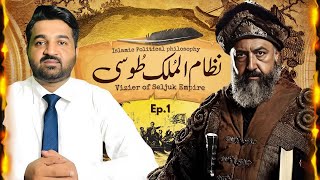
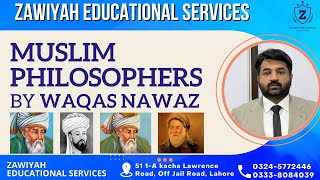
From Al-Farabi's Ideal State to Shah Waliullah's reformist vision, this series will cover:
Mentor: Muhammad Waqas Nawaz
1. Al-Farabi (872–950 CE)
Wrote Al-Madina al-Fadila (The Virtuous City)
Compared the ideal Islamic ruler to Plato's philosopher-king
His ideas formed the philosophical foundation of Islamic political theory
2. Al-Mawardi (972–1058 CE)
Wrote Al-Ahkam al-Sultaniyyah
Laid down principles for Islamic governance, caliphate, judiciary
Served in official roles under the Abbasids
3. Ibn Khaldun (1332–1406 CE)
Wrote Muqaddimah — seminal work on political sociology
Served as judge (qadi) and diplomat in North Africa
Analyzed power, leadership, and rise/fall of civilizations
4. Al-Ghazali (1058–1111 CE)
Wrote Nasihat al-Muluk (Advice for Kings)
Emphasized the need for rulers to combine Shariah and ethics
Though not a political actor, his writings were deeply influential in Islamic political ethics
5. Shah Waliullah (1703–1762 CE)
Advocated political and religious reform in Mughal India
Emphasized justice, consultation (shura), and public welfare in Islamic governance
Wrote on balance between spiritual and political leadership
6. Allama Muhammad Iqbal (1877–1938 CE)
Philosopher-poet and political thinker
Ideologue of Muslim political identity in South Asia
Proposed the idea of a separate Muslim homeland (Pakistan)
Inspired the Pakistan Movement
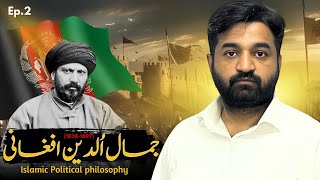
7. Jamaluddin Afghani (1838–1897 CE)
Activist-philosopher, anti-colonial voice
Promoted pan-Islamism and political awakening among Muslims
Engaged in reform movements across the Muslim world
🎯 Tailored for Competitive Exams
📅 Launching Soon – Stay Tuned
🔔 Like & Follow for Updates
#css2026
#CSS2025 #PMSPrep #IslamicPhilosophy #PoliticalThought #IqbalToIbnKhaldun #StudyWithPurpose #ZawiyahInstitute